

Public Policy Priorities
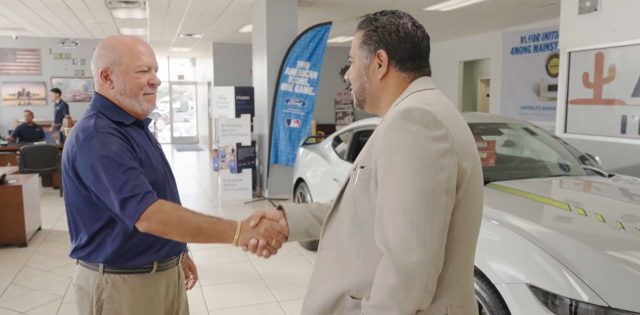
For nearly a century, the franchised new-car and new-truck dealer model has benefited consumers, automakers, and local communities across the country. It remains the most efficient and trusted way to sell, service, and finance vehicles – providing competition, convenience and choice in every market. Independent research confirms that this model delivers greater value and lower costs than direct sales, strengthening both the industry and customers it serves.
Motor vehicles are among the most regulated consumer products in America, requiring proper licensing, insurance, and often financing. Dealers must also comply with rigorous environmental and safety standards. Every state legislature has enacted laws that govern how cars and trucks are sold and serviced. These dealer franchise laws not only safeguard consumers, but balance the interests of manufacturers and their franchised dealers. By upholding these laws, states help maintain a competitive marketplace for consumers.
NADA and ATD oppose so-called vehicle “Right to Repair” legislation because it is unnecessary as independent repair shops already have the information they need to service vehicles. In fact, 73 percent of all post-warranty vehicle repairs today are done in independent repair shops.
This legislation allows third party access to customer data, enables aftermarket parts manufacturers to reverse engineer OEM parts and tools and imposes new regulatory requirements that will add time and cost to buying a vehicle at a dealership.
All new cars and trucks sold in the U.S. must meet emissions and fuel economy standards at the time of sale and continue to meet emissions standards throughout their useful life.
America’s franchised car and truck dealers are committed to providing customers the vehicles they want, and dealers have long supported realistic emissions and fuel economy improvements that preserve vehicle affordability and consumer choice.
Dealers have advanced the electrification of America’s vehicle fleet by investing substantial sums in EV inventory, facilities, and training. However, dealers oppose technology-forcing government mandates that drive up vehicle costs and, in turn, discourage the purchase of cleaner, greener, and safer new vehicles. Instead, dealers support sensible, consumer-driven standards that accommodate all drivetrain technologies and fuels while addressing the challenges of inadequate charging and electrical infrastructure.
New-car and truck affordability is a persistent challenge for consumers and dealers alike. Tariffs on U.S. trading partners, who are vital to our auto and truck supply chains, make it harder for average Americans and fleet operators to afford the new vehicles that best meet their budget and needs.